Oil price shock caused by the Iran war: Why prudence is now the hardest currency
10.03.2026
Oil price shock caused by the Iran war: Why prudence is now the hardest currency


Author - Harald Besser
These are images that leave no one unmoved. The news reaching us from the Middle East these days once again brings home to us the human suffering that war inevitably brings. At the same time, we in Central Europe often feel a certain powerlessness in the face of the enormous complexity of this region. The web of religious currents, ethnic fault lines—from Kurds to Baluchis to the centers of power in Tehran—and historical enmities is often difficult for outsiders to understand. But a different, colder logic prevails on the financial markets. Here, these geopolitical tragedies are primarily translated into one variable: the price of oil. And this is currently determined by a factor that many investors overlook in the hustle and bustle of the headlines: there is actually an abundance of oil.
The bottleneck and the abundance
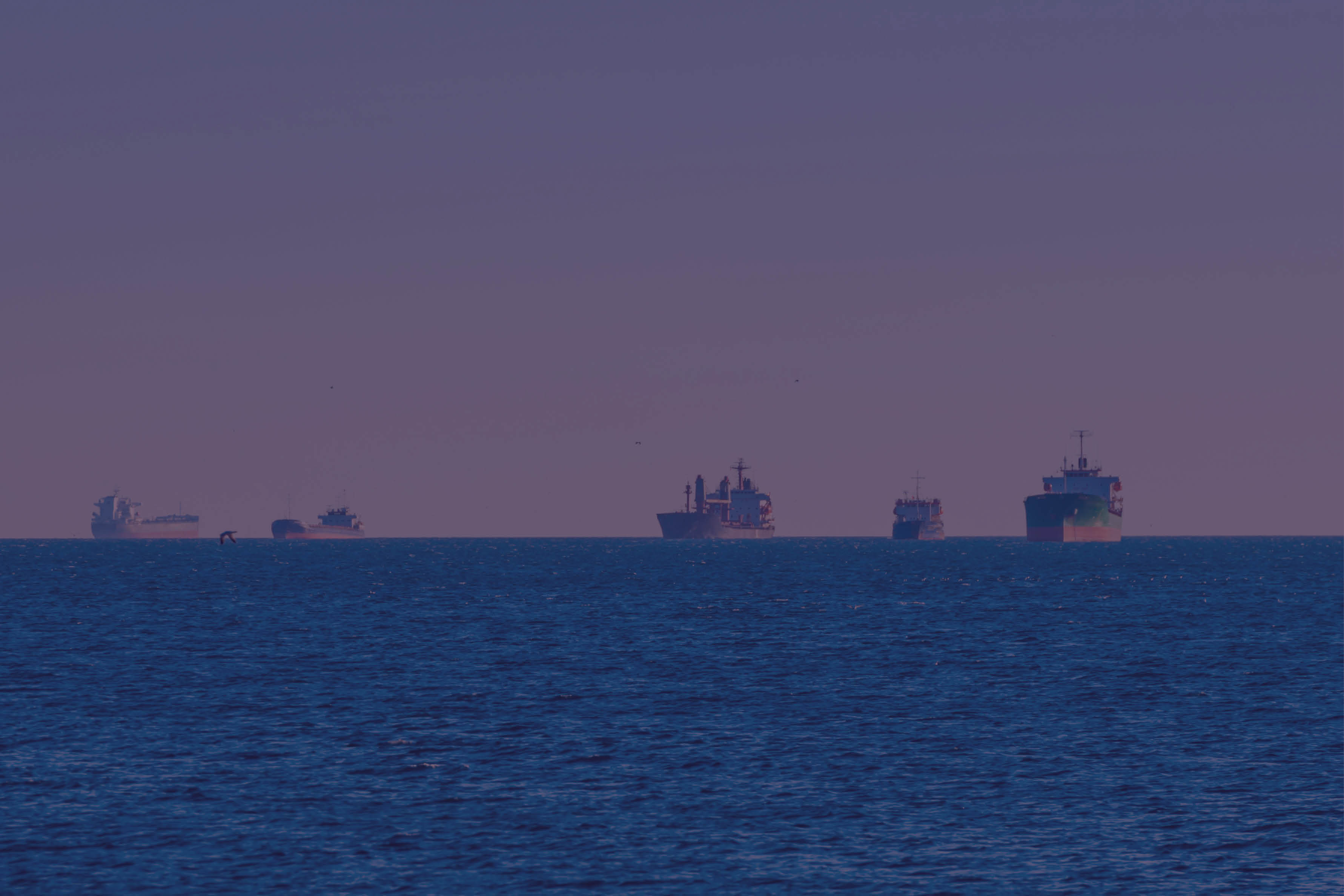
Before the current escalation broke out, the oil markets were in a comfortable situation. We saw a global supply surplus of around 3 to 4 million barrels per day (Bloomberg, March 5, 2026). Stocks were full and the global economy was well supplied. However, this balance stands and falls with a single geographical point: the Strait of Hormuz. If this bottleneck, through which around 20% of the world's oil supply flows, is “throttled,” it will hit the import-dependent economies in Asia and Europe particularly hard. The US, on the other hand, is largely self-sufficient.
A look in the rearview mirror: Where do we stand historically?
To put the current excitement into perspective, it is worth taking a look at the long-term development of oil prices since the turn of the millennium (all data from Bloomberg, March 5, 2026).
· The 1990s: Marked by the Asian crisis, we experienced a period of low prices, with a low of USD 10.65 (WTI) in 1998.
· 2001–2008: The commodity supercycle, driven by the boom in China, led to a massive increase from USD 17.10 to an all-time high of around USD 147 in July 2008.
· 2008/2009: In the wake of the financial crisis and the associated slump in demand, prices plummeted to around USD 35 in just five months.
· 2020: The COVID-19 pandemic and lockdowns caused a historic slump, with WTI futures even briefly falling into negative territory (-$37.63).
· 2022: The Russia-Ukraine war drove the price to just under $130 (Brent) due to fears of sanctions, followed by a price cap imposed by the G7.
This historical context is important: even the current rise to over $80 is not an extreme event in historical terms, but rather a return to familiar trading ranges.
The crucial question is not so much how long the war will last, but how long the Strait of Hormuz will remain blocked. The longer the supply disruption lasts, the more serious the consequences will be, including inflation concerns and possible changes in central banks' interest rate paths.
Quality instead of timing
In such phases, there is a great temptation to radically restructure one's portfolio or wait for the “perfect moment” to buy or sell. However, market timing is almost impossible in geopolitical crises. Markets often react within hours – faster than any private investor can act. It is virtually impossible to protect oneself against these short-term influences. The true quality of an investment becomes apparent in times of falling markets or geopolitical uncertainty. Solid finances, low debt, and strong market positions of companies are now being rewarded. Those who have a professional, diversified asset allocation do not need to fear the hectic movements of day-to-day politics – they just have to endure them.
Disclaimer
This is a marketing communication from Kathrein Privatbank Aktiengesellschaft within the meaning of the Securities Supervision Act 2018 and is for informational purposes only. This information is intended to provide a general overview of current market data and Kathrein's market opinion and does not contain any direct or indirect recommendation for a specific investment strategy in the sense of a financial analysis. When investing in securities, price fluctuations due to market changes are possible at any time. Information and representations relating to the past do not allow reliable conclusions to be drawn about future results. Despite careful research and recording, no liability or guarantee can be assumed for the accuracy of the data.